
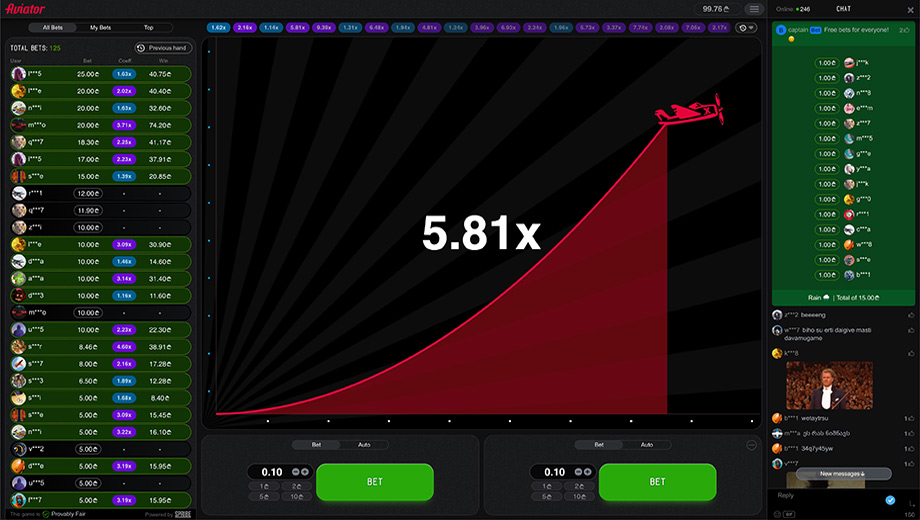
Aviator is a fast-paced crash game: a multiplier rises as a plane flies, then disappears at an unpredictable point. A player wins by cashing out before the flight ends and loses the stake if the plane flies away first. For Ugandan players, the simple interface can make each round feel easy to read, but no chart, streak, or tracking app can reliably predict the next result. Daily tracking tools are most useful for organizing play, setting limits, and reviewing decisions—not for defeating randomness.
What tracking can—and cannot—do
A tracking routine records what happened and how you responded. It may show that you tend to increase stakes after a loss, play longer than planned, or cash out at a multiplier that does not suit your budget. These observations can help you make more deliberate choices. They do not reveal a hidden sequence or guarantee a future win.
In a game such as Official UG Aviator Game, rounds are independent when the game uses a properly functioning random number generator or equivalent certified system. Past multipliers do not make a particular next multiplier “due.” A history panel is a record of previous rounds, not a forecast. Treat any tool claiming to know the next crash point with skepticism, especially if it asks for account credentials, payment, or remote access to your phone.
A practical daily tracking system
You do not need complicated software to keep useful records. A paper notebook or spreadsheet is often enough. Before playing, write down your planned session time and the maximum amount you are willing to lose. Afterward, record the outcome and whether you followed those limits. The goal is to understand your habits rather than create a betting formula;
What to record
- Date and session length: Note when you started and stopped, including any breaks.
- Starting balance and deposits: Record the amount set aside for play. Do not include money needed for bills, food, transport, or other essentials.
- Stake size: Track each stake, or use a simple range if recording every round feels burdensome.
- Cash-out choices: Note your intended exit point and what you actually did. This can reveal whether you often chase a higher multiplier.
- Session result: Record net gain or loss without treating one session as evidence of a reliable system.
- Reason for continuing: A short note such as “within plan,” “trying to recover,” or “playing while distracted” can make patterns clearer.
Keep the log private and secure. Do not store passwords, one-time verification codes, card details, or mobile-money PINs in it. If you use a spreadsheet on a shared device, protect the file and sign out of casino accounts when finished.
Use a simple session checklist
- Choose a fixed entertainment budget that you can afford to lose.
- Set a time limit and, if the platform offers them, deposit or loss limits.
- Decide in advance what will end the session, including a loss limit and a time cutoff.
- Play only when calm, sober, and able to focus.
- Stop when a limit is reached; do not borrow or deposit more to recover losses.
- Complete your log after the session, then take a break before deciding whether to play again.
Reading your results without fooling yourself
Daily outcomes naturally swing. A short run of wins may be luck, while a losing session does not prove that your strategy is defective or that a win is coming. Look at behavior over multiple sessions: Were your planned limits respected? Did you raise stakes when frustrated? Did play interfere with sleep, work, study, or relationships? These answers are more actionable than trying to infer a predictable pattern from multipliers.
Be careful with percentages. A “win rate” can be misleading if it counts rounds won but ignores stake sizes and losses. For example, many small cash-outs do not necessarily offset one larger loss. If you choose to calculate a session return, use the net result and the total amount staked, and remember that past performance still does not predict future results.
Basic tracking calculations
A basic record can show the net result as total payouts minus total stakes. If your log records only deposits and withdrawals, the difference between them can give a rough account-level result, but it may not isolate one session. Keep the calculation consistent and do not count a balance still in the account as money safely won until it is withdrawn and received.
For example, suppose a player stakes UGX 10,000 in total during a session and receives UGX 8,000 in payouts. The session’s recorded net is UGX 2,000 down. That arithmetic describes what happened; it does not estimate the chance of winning next time. Avoid extrapolating from a handful of sessions or changing stakes because a spreadsheet appears to show a “hot” period.
Choosing tools safely in Uganda
Start with tools built into your device: a clock timer, notes app, or offline spreadsheet. If you use a casino’s history or limit features, check that you are on the genuine website or app and understand what data it collects. Use a unique password and available account security measures. Never install an unofficial “Aviator predictor,” modified app, or file sent by a stranger. Such services may be scams, malware, or attempts to take over an account.
Before depositing, check the casino’s current terms, payment options, identity-verification requirements, withdrawal rules, and any applicable restrictions for Uganda. Availability can change, and a site advertising the game is not automatically trustworthy or properly authorized. Confirm the operator’s licensing information independently, read the rules for the specific game, and contact official support through the site if anything is unclear. Do not rely on a tracking app or social-media post as proof that a casino is safe.
Payment records deserve particular care. Save transaction confirmations and compare them with the account history, but do not share screenshots containing personal identifiers in public groups. If a withdrawal is delayed, use the operator’s documented support channel and retain relevant reference numbers. Never pay an unknown person an “unlock fee” or disclose a mobile-money PIN to release winnings.
Limits that make tracking worthwhile
A tracker only helps if it supports decisions you are prepared to follow. Set a maximum loss before opening the game, and consider a modest stake that remains the same throughout the session. Chasing losses, doubling stakes after a crash, or extending play after a preset stop point can turn a small entertainment expense into a serious problem. A win limit may also help you leave when you are ahead, but it does not make the game safer or ensure a profit.
Do not play with borrowed money or funds intended for necessities. If you notice that you are hiding play, repeatedly exceeding your budget, or feeling unable to stop, take a break and seek support from someone you trust or a qualified local support service. Responsible-play tools, such as time-outs and self-exclusion, may be available through an operator; check the options directly rather than assuming they exist.
Build a routine, not a prediction system
The best daily Aviator tracking routine is simple enough to maintain: set a budget and time limit, record the session honestly, review your behavior, and stop when the plan says stop. Use records to spot habits and protect your finances—not to search for secret signals in previous flights. No spreadsheet, strategy, bonus, or streak can remove the uncertainty of a crash game.
For Ugandan players, a cautious approach also means verifying the casino and its payment terms, protecting account information, and treating any stake as money that could be lost. If tracking shows that play is becoming difficult to control, the most useful result may be deciding not to play. Better results are ultimately measured not only by a session balance, but by staying within your limits and keeping gambling in proportion to the rest of life.