
Luck or skill what truly determines your success at the casino
The Role of Luck in Casino Games
Luck is often viewed as a primary factor in determining success at the casino. Most games of chance, such as slots and roulette, rely heavily on random outcomes, making luck the deciding factor for many players. For instance, hitting the jackpot on a slot machine is entirely dependent on a random number generator, leaving little room for skill or strategy. This unpredictability can make these games particularly thrilling, as players experience the highs of potential wins and the lows of losses, all dictated by chance. If you want to understand more about the nuances of gambling, you can check details and explore various resources.

However, it is essential to note that luck can fluctuate over time, leading to winning streaks or unfortunate losing streaks. A player might have a phenomenal day at the blackjack table, winning several hands in a row, only to lose significantly in the subsequent visits. This inconsistency can be frustrating and highlights that while luck plays a crucial role, it is not the only element at play when it comes to success in the casino.
Ultimately, the concept of luck can lead to different mindsets among players. Some may approach the casino with a relaxed attitude, believing that a lucky streak is just around the corner, while others adopt a more analytical approach, seeking patterns in the randomness. This duality in perspective is one of the reasons why casinos remain alluring: they cater to both the lucky optimists and the skillful strategists.
The Importance of Skill in Gambling
In contrast to games of chance, skill-based games like poker and blackjack require strategic thinking and a deep understanding of game mechanics. Success in these games often hinges on a player’s ability to read opponents, manage their bankroll, and calculate probabilities effectively. For instance, a seasoned poker player may use their knowledge of bluffing and betting patterns to outsmart their opponents, thus increasing their chances of winning. This element of skill transforms the experience from mere luck to a battleground of intellect and strategy.
Moreover, the importance of skill is reflected in how professional players often consistently outperform casual gamers. In tournaments, for example, the most skilled participants typically dominate, showcasing that while luck can affect individual hands, skill plays a significant role in long-term success. The ability to analyze situations and make informed decisions can mitigate the randomness of luck, allowing skilled players to capitalize on advantageous scenarios.
Additionally, learning the skills associated with these games can be a rewarding experience in itself. Players who invest time in mastering strategies find joy in the process, building confidence and expertise that can enhance their overall gaming experience. This mastery not only improves their winning potential but also adds an intellectual dimension to casino play that purely luck-based games lack.
The Influence of Game Selection
When determining success in the casino, the choice of games played can significantly impact outcomes. Casinos offer a wide range of options, from luck-driven slots to skill-oriented table games. Players seeking to rely on skill should gravitate towards games like poker, where strategy and decision-making come into play. In contrast, those who prefer the thrill of chance might opt for a roulette wheel or a slot machine, where they have less control over the outcome but can still experience the excitement of potential wins.
Furthermore, the house edge varies significantly across different games, affecting a player’s long-term success rate. For example, games like blackjack and video poker often have lower house edges, which means players can enjoy better odds compared to games with higher edges, such as certain types of slots. Understanding these nuances can help players make informed decisions about which games to play based on their comfort with risk and their desire for skill development.
The importance of understanding game selection extends beyond just immediate wins or losses. A well-informed player who chooses games with favorable odds and lower house edges is more likely to enjoy a sustainable gambling experience. This strategy also emphasizes the need for players to engage in responsible gaming, ensuring that they choose games that align with both their skill level and gambling goals.
The Role of Psychology in Gambling Success
The psychological aspects of gambling play a crucial role in determining success. Players’ attitudes toward luck, skill, and risk can significantly impact their decision-making processes and ultimately their outcomes. For example, a player who believes in luck may be more inclined to take risks, betting larger amounts in the hopes of hitting a big win. In contrast, a more analytical player may approach gambling with a cautious mindset, focusing on minimizing losses and maximizing gains through careful strategy.
Additionally, emotional control is paramount in both luck-based and skill-based games. Gamblers who can maintain composure and avoid emotional decision-making tend to perform better. Players who let frustration or excitement dictate their actions may end up making impulsive bets, leading to losses that could have been avoided with a more measured approach. Developing a strong mental game can therefore serve as an invaluable asset in any gambling endeavor.
Moreover, understanding the psychological impact of gambling can aid players in recognizing when to walk away. The tendency to chase losses is common, and players who are aware of this risk can better manage their gambling behavior. Cultivating self-awareness can empower individuals to engage in responsible gaming practices, ensuring that their experiences in the casino remain enjoyable and within their means.
Conclusion: Finding Balance in Gambling
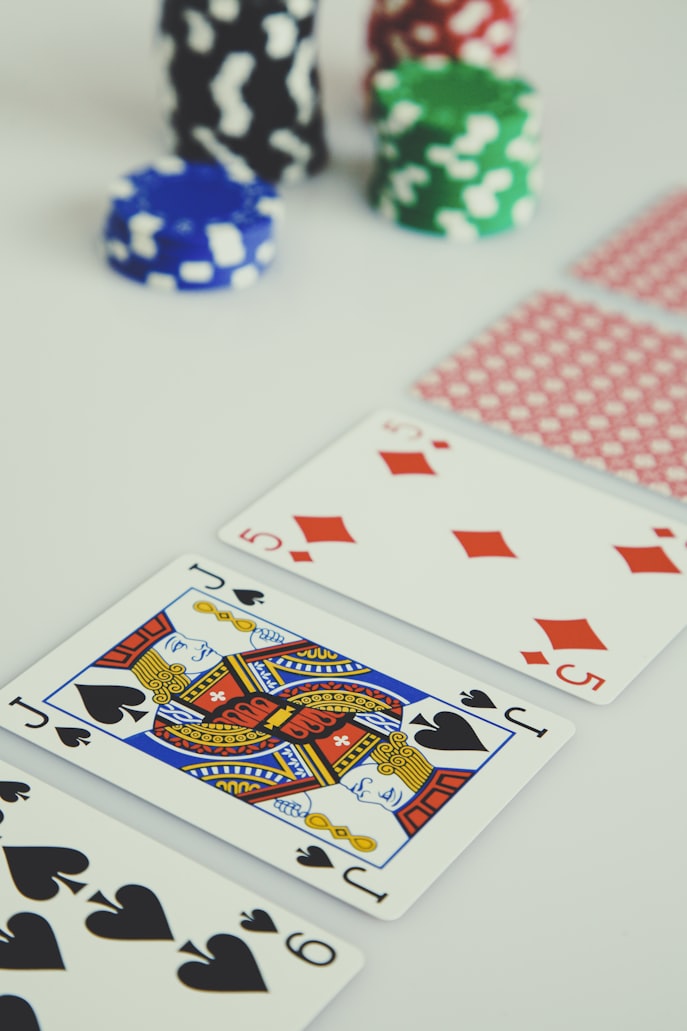
Ultimately, the interplay between luck and skill creates a dynamic environment in casinos, both online and land-based. While luck is undoubtedly a significant factor, particularly in games of chance, skill can greatly influence outcomes, especially in strategic games. Successful gamblers often find a balance between the two, leveraging their understanding of skills while also acknowledging the role of luck in their experience.
Furthermore, choosing the right games, developing mental fortitude, and making informed decisions can enhance a player’s overall success in the casino. Whether one leans towards luck or skill, approaching gambling with knowledge and responsibility is key to maximizing enjoyment and potential wins.
For those looking to navigate the world of casinos effectively, resources exist that provide insights into game selection, strategies, and responsible gaming practices. Engaging with such resources can empower players to elevate their gambling experience while enjoying both the thrill of chance and the satisfaction of skill. Whether you are a novice or an experienced gambler, understanding this balance is essential for any successful casino experience.