
The journey of casinos a historical evolution through time
The Origins of Gambling
The history of casinos can be traced back thousands of years, with evidence of gambling activities appearing in ancient civilizations such as China, Egypt, and Rome. In these cultures, games of chance were often linked to religious ceremonies and social gatherings. The oldest known gambling artifact, a set of dice, dates back to around 3000 BC in Mesopotamia, illustrating humanity’s long-standing fascination with luck and chance. Today, players can find a plethora of options at an instant withdrawal casino, making it easier than ever to participate in this thrilling pastime.

As societies evolved, so did the complexity of gambling. By the Middle Ages, gambling houses began to emerge in Europe, where people would gather to wager on various games. These early establishments laid the groundwork for what would eventually become modern casinos. The allure of potential riches and the social aspects of gaming created a vibrant culture surrounding gambling.
The Birth of Modern Casinos
The 17th century marked a significant turning point in the history of casinos with the establishment of the first official casino in Venice, Italy. The Ridotto, as it was known, offered a structured environment for gambling, complete with rules and regulations. This innovative approach attracted the elite and laid the foundation for future casinos across Europe.
Throughout the 19th century, the concept of casinos spread rapidly across the continent. Establishments in France, particularly in cities like Monte Carlo, became synonymous with luxury and extravagance. These venues offered not only games of chance but also entertainment, dining, and lavish social events, further cementing the casino as a cornerstone of nightlife.
The American Casino Boom
The American gambling scene took off in the early 20th century, with the opening of numerous casinos in cities like Las Vegas and Atlantic City. The post-World War II era saw a surge in popularity for these venues, driven by a growing tourist industry and the advent of legal gambling in several states. Las Vegas emerged as the ultimate gambling destination, known for its opulent resorts and dazzling entertainment options.
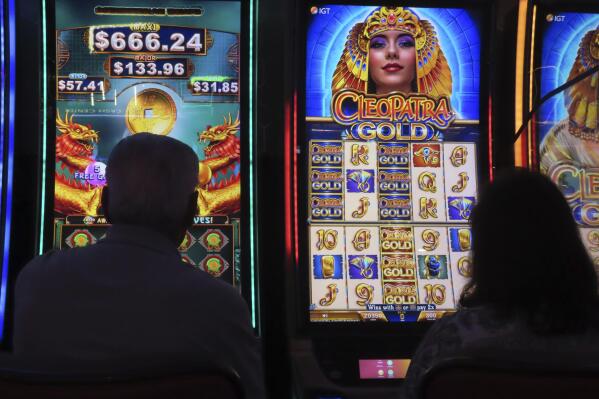
The introduction of slot machines and table games like poker and blackjack made casinos accessible to a broader audience. This democratization of gambling transformed the industry, attracting millions of visitors and significantly contributing to local economies. Casinos became not just places for gaming but also centers of entertainment and culture, featuring live shows, fine dining, and nightlife.
The Digital Revolution in Gambling
The advent of the internet in the late 20th century marked another transformative phase in the evolution of casinos. Online gambling emerged, allowing players to enjoy their favorite games from the comfort of their homes. This digital shift democratized access to casino games, enabling participation from a global audience without geographical limitations.
As technology advanced, so did the sophistication of online casinos. With user-friendly interfaces, mobile gaming apps, and live dealer experiences, players now enjoy an immersive environment comparable to traditional casinos. The rise of instant withdrawal options has further enhanced the online gambling experience, ensuring quick and secure transactions for users.
The Future of Casinos
Looking ahead, the future of casinos is poised to embrace even more technological advancements, including virtual reality and augmented reality gaming experiences. As these innovations continue to develop, they promise to enhance the gaming environment, offering players unprecedented levels of immersion and engagement.
Additionally, as more jurisdictions reconsider their stances on gambling, the expansion of legal casinos, both physical and online, is expected to grow. This growth will likely lead to a more competitive market, pushing casinos to continuously improve their offerings to attract and retain players.