
Uncovering the truth behind common gambling myths and misconceptions
The Myth of Luck: Debunking the Randomness of Gambling
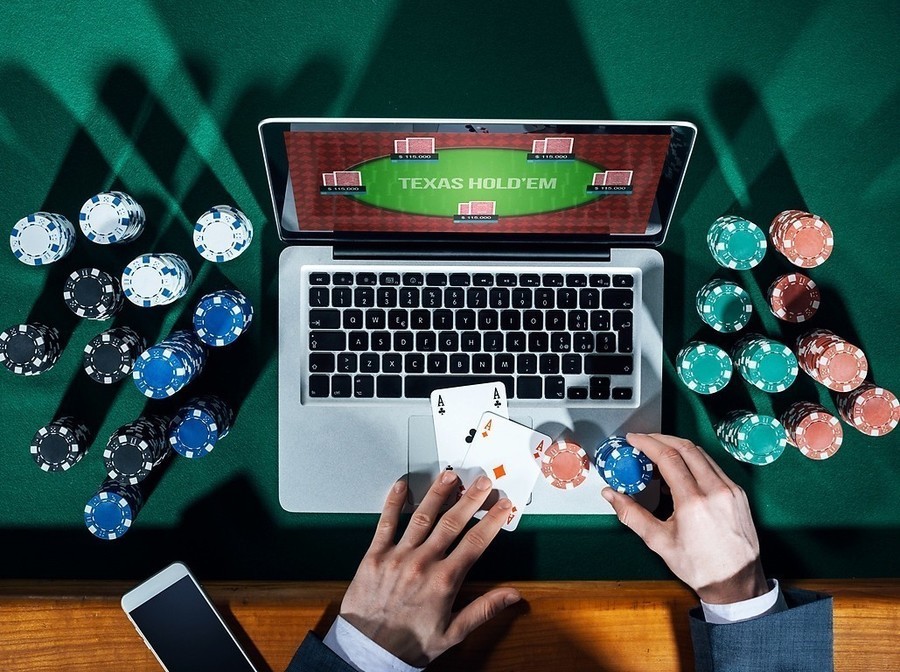
One of the most pervasive myths surrounding gambling is the belief that luck is the primary factor determining the outcome of games. While luck undoubtedly plays a role, especially in games of chance like slots or roulette, there is a significant element of skill and strategy involved in many gambling activities. Understanding the odds and probabilities can dramatically influence the outcome of games, particularly in games like poker, where players can find the best poker sites to enhance their skills and strategic play.

This misconception can lead players to make poor decisions based solely on luck rather than informed strategies. For instance, assuming that a winning streak will continue because of “good luck” can result in significant financial losses. It’s crucial for gamblers to recognize the importance of employing effective strategies and understanding game mechanics rather than attributing success solely to luck.
The Gambler’s Fallacy: Misunderstanding Past Outcomes
The gambler’s fallacy is another widespread misconception that can mislead players. This belief suggests that past events in games of chance affect future outcomes, leading individuals to think that a number is “due” to come up or that a losing streak must end soon. In reality, each spin of a slot machine or roll of dice is independent of previous outcomes, governed by probability rather than predictability.
Recognizing the independence of each event is essential for responsible gambling. Players should understand that relying on patterns from past results can lead to faulty decisions and increased risk. Awareness of this fallacy can help gamblers manage their expectations and make more informed choices when placing bets.
Strategies for Winning: Skill versus Luck
While gambling is often associated with sheer luck, many games do allow for strategic play that can enhance a player’s chances of winning. For example, in card games like blackjack or poker, understanding the game rules, probabilities, and opponent behavior can greatly impact the outcome. Players who invest time in learning strategies and improving their skills often find more success than those who rely solely on luck.
Additionally, setting a budget and knowing when to walk away are vital components of a successful gambling strategy. This approach not only mitigates losses but also enhances the overall gaming experience. Gamblers should focus on honing their skills in strategic games, understanding the balance of skill and luck, and applying these insights to their gameplay.
The Illusion of Control: Strategies That Don’t Work
Many gamblers fall into the trap of believing they can control the outcome of games through various strategies or rituals. These can include specific betting patterns or superstitious behaviors that players think influence results. In reality, such strategies do not alter the inherent probabilities of games governed by chance.
Understanding that games like roulette and slots are designed to operate independently from player influence is crucial. Believing in the possibility of controlling outcomes can lead to irresponsible betting behavior and greater financial risk. It’s essential for gamblers to approach their gaming experiences with a clear understanding of the game’s nature and the role of chance versus strategy.
Exploring Responsible Gambling: Staying Informed
As a platform dedicated to providing valuable content for gambling enthusiasts, it’s vital to address these myths and misconceptions. By educating players about the realities of gambling, we can foster a safer and more enjoyable experience. Understanding the true nature of luck, the gambler’s fallacy, and the role of strategy can empower individuals to make informed decisions.
Our commitment to delivering reliable and informative content helps to demystify gambling, allowing players to enjoy games responsibly. By staying informed and recognizing common misconceptions, gamblers can enhance their experiences while minimizing the risks associated with gambling activities.